In this guide
- Why indoor cats need play
- Signs of a bored cat
- 12 toys and ideas for indoor cats
- How to play with your cat
- Laser pointers, in moderation
- Rotate toys
- Toys by life stage
- Multi-cat apartments
- A sample routine for an indoor cat
- Set up your home for play
- Easy homemade toys
- Toys to avoid
- Playing when you work all day
- Finding your cat's favorite play style
- A simple weekly plan
- Signs your cat is getting enough play
- When to ask for help
- Frequently asked questions
The best toys for indoor cats mimic hunting: a feather wand for playing together, interactive toys for alone time, balls and mice to catch, tunnels for ambushes and puzzles for brainwork. Pair them with a cat tree, scratchers and two or three ten-minute play sessions a day, and rotate toys weekly.
Why indoor cats need play
Outdoors, cats spend much of their day hunting: watching, stalking, pouncing and catching. Indoors, that energy needs an outlet. Without stimulation, a cat may get bored, gain weight, sleep excessively or get into trouble with scratching, night-time zoomies and ankle attacks. Play meets those needs and strengthens your bond.
Signs of a bored cat
- waking you at night or racing around at dawn;
- scratching furniture or knocking things off shelves;
- meowing a lot, following you everywhere or pouncing on your feet;
- sleeping a great deal and showing little curiosity;
- over-grooming.
If a change in behavior is sudden or comes with other signs, check in with your vet.
12 toys and ideas for indoor cats
1. Feather wand
The most effective toy, because you bring it to life like prey. Let it hide behind furniture, pause, then dart away. Let your cat catch it regularly.
2. Automatic interactive toy
Butterflies, mice and balls that move on their own keep your cat busy when you're unavailable. Choose one with auto shut-off and offer it in short bursts so it stays exciting.
3. Balls and mice
Light and easy to carry, they're perfect for solo play. Some jingle or crinkle to grab attention.
4. Tunnel
Cats love hiding inside and springing out at imaginary prey. Collapsible tunnels store away easily.
5. Catnip toys
About two out of three cats respond enthusiastically. Offer them now and then to reignite interest.
6. Treat puzzle
Your cat has to push, lift or roll pieces to earn a reward. Start with an easy level.
7. Snuffle mat
A few kibbles hidden in the folds work the nose and slow down speedy eaters.
8. Cardboard box
A plain box with two holes becomes a hideout, an ambush spot and a playground.
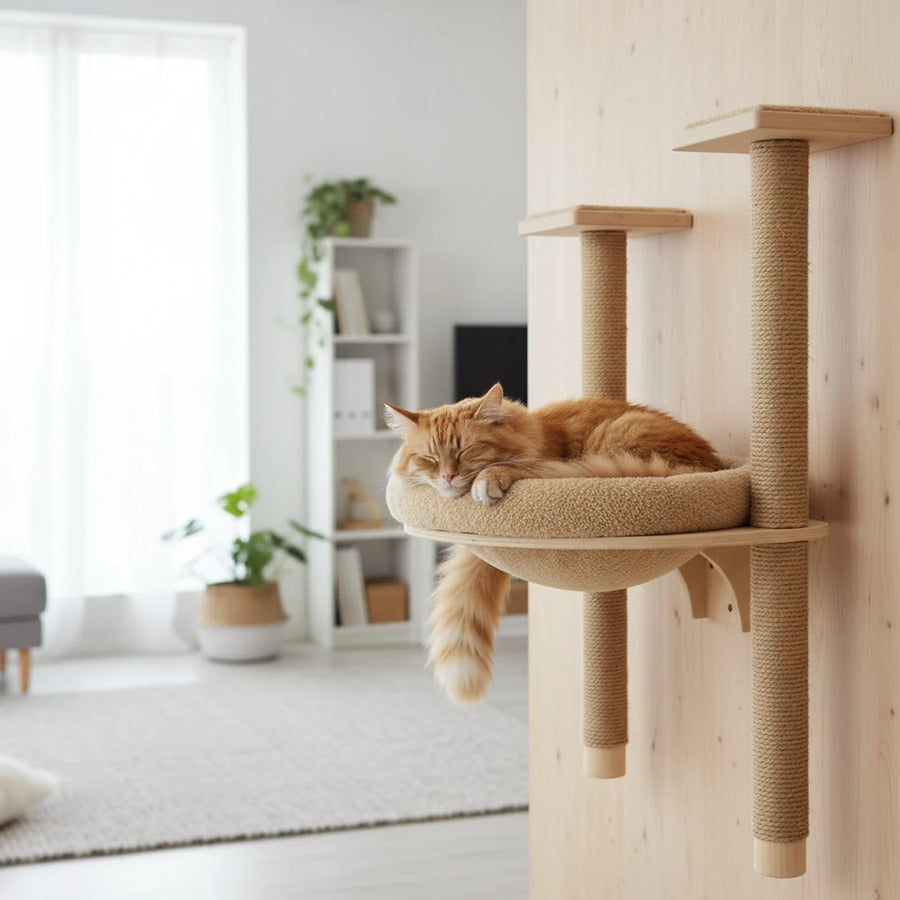
9. Cat tree
Climbing is part of play. cat trees near a window combine exercise, scratching and a lookout.
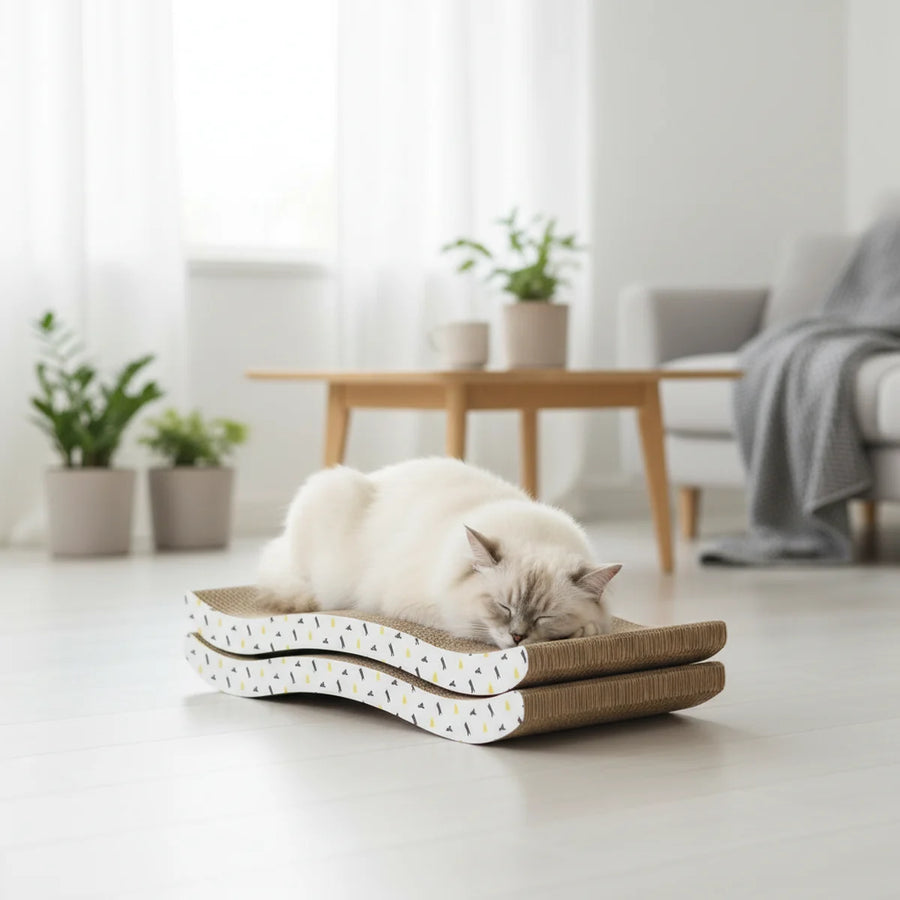
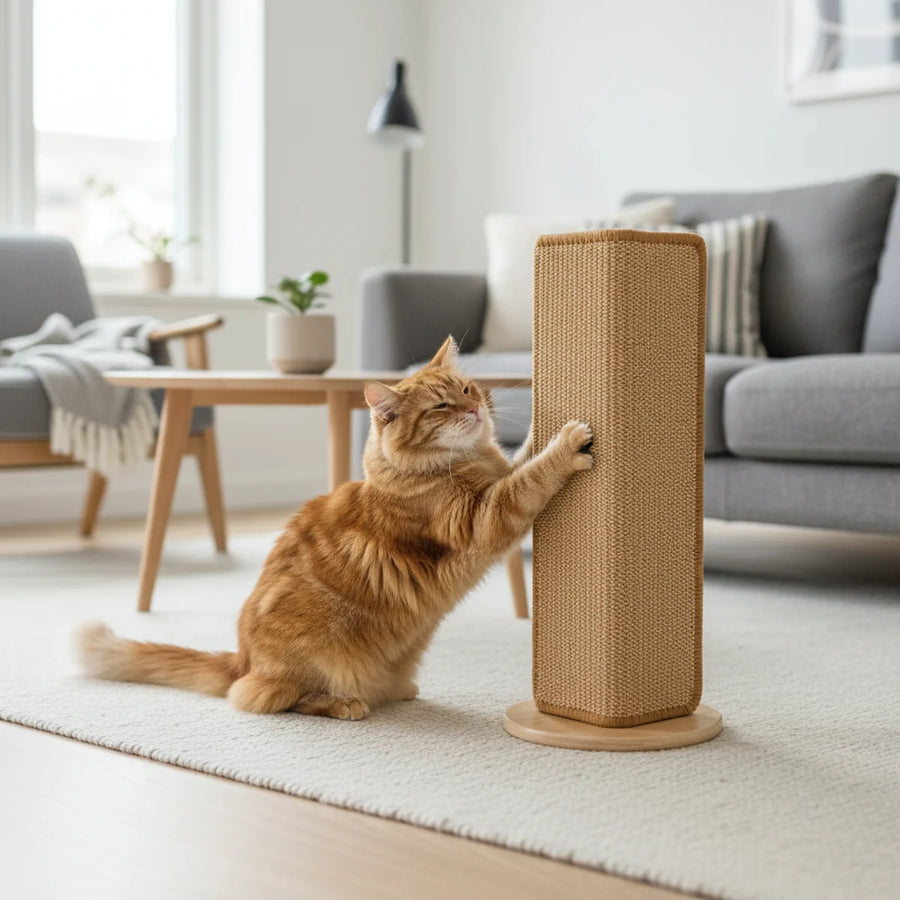
10. Scratchers
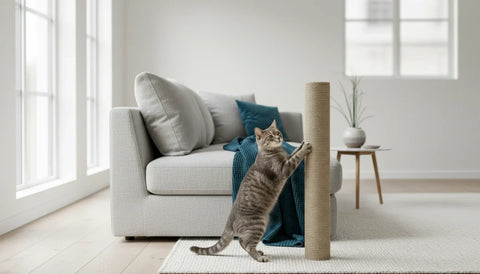
One vertical and one horizontal cat scratchers in your living spaces let your cat stretch and mark territory.
11. Window hammock
Bird-watching is cat TV. A window-mounted hammock gives your cat a front-row seat, safely.
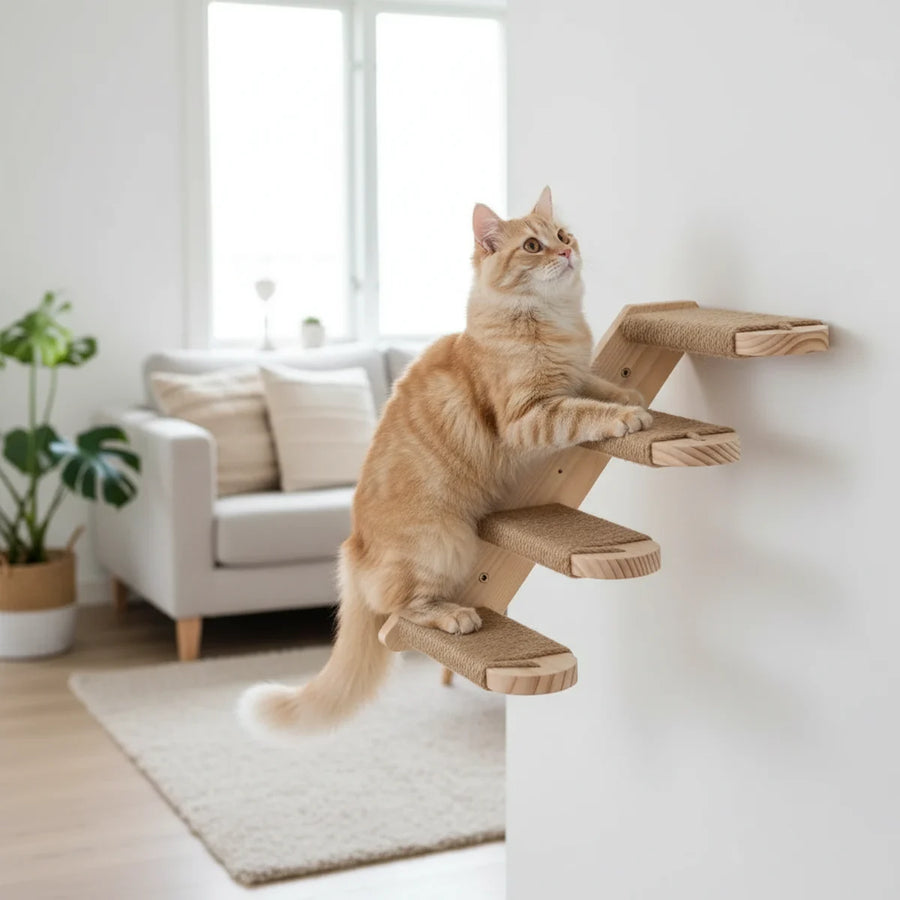
12. Wall climbing route
Shelves and steps mounted on the wall create a vertical circuit, ideal in small apartments with limited floor space.
How to play with your cat
Two or three sessions of 5 to 15 minutes a day usually do the trick. Mimic real hunting: prey moves away from the cat, hides and freezes. Mix slow moments with bursts of speed. Always end with a successful catch followed by a small treat or a meal; that hunt-catch-eat cycle leaves cats satisfied and relaxed.
Laser pointers, in moderation
The dot excites many cats, but they can never catch it. Use it briefly and always finish on a real toy your cat can grab. Never shine it toward their eyes.
Rotate toys
A toy left on the floor all the time quickly loses its appeal. Keep a few out and store the rest in a box. Swap them weekly so returning toys feel new. Always put wands and string toys away after use so string can't be swallowed.
Toys by life stage
- Kittens: frequent short sessions with light toys, balls and small mice to build coordination.
- Adults: more elaborate hunting games, puzzles and high climbing routes.
- Seniors: gentler sessions at floor level with slower toys that are easy to catch.
Multi-cat apartments
With several cats, offer duplicate toys, multiple scratchers and several high perches to avoid competition. Sometimes play with each cat separately; shy cats often won't join in when a bolder cat is around.
A sample routine for an indoor cat
- Morning: a short wand session, then breakfast.
- Daytime: interactive toys, a treat puzzle and the window hammock.
- Evening: a longer play session before dinner, then wind-down time.
Browse all our cat supplies to build your cat's ideal toy box.
Set up your home for play
Play isn't just about toys; your home layout matters as much. Create connected high spots (a cat tree, shelves, the top of a secured bookcase), hiding places at different levels and safe access to a view outside. A cat that can move in three dimensions gets natural exercise all day long, even in a small apartment.
Easy homemade toys
- a crumpled ball of paper to toss or hide;
- a cardboard tube with folded ends and a few kibbles inside;
- an egg carton filled with treats to forage;
- a cardboard box with several holes and balls tucked inside.
Always supervise play with homemade toys and toss them once they start falling apart.
Toys to avoid
String, rubber bands, ribbon, yarn and small objects that can be swallowed should never be left out for solo play. Watch out for toys with small glued-on parts like plastic eyes or loosely attached feathers. Choose toys sized for your cat and replace them as soon as they wear out.
Playing when you work all day
If you're out for much of the day, plan an active session in the morning and another in the evening, set out a timed interactive toy and a treat puzzle before you leave and make sure your cat has a window perch. Some owners add a second cat for company; that's a decision to weigh carefully based on your cat's personality.
Finding your cat's favorite play style
Cats have preferences, just like people. Some go wild for bird-like toys that fly through the air; others prefer mouse-like toys that scurry along the floor; some love bugs that flutter in place. Try different movements over a week and note what makes your cat's eyes widen and tail twitch. Once you know their favorite "prey," you can choose toys that keep them engaged for years.
A simple weekly plan
- Monday: bring out a "new" toy from the rotation box.
- Wednesday: refill the treat puzzle with a slightly harder setting.
- Friday: rearrange a cardboard box fort or tunnel layout.
- Weekend: longer play sessions and a new hiding spot for treats.
Small changes like these keep an indoor cat curious, active and content week after week.
Signs your cat is getting enough play
A well-exercised indoor cat sleeps soundly through the night, greets you with curiosity, uses their scratchers and cat tree regularly and shows fewer bored behaviors like knocking things over. If you notice those signs, your routine is working; keep rotating toys and adjusting sessions as your cat ages and their energy levels change.
When to ask for help
If your cat seems withdrawn, overly anxious or destructive despite a rich routine, a vet check is a sensible first step to rule out discomfort. A feline behavior professional can then help tailor play and enrichment to your cat's personality and your home.
Every cat is different, so keep experimenting until you find the toys and routines yours loves most.
Happy playing!